Table and Seat Changes: How the Rules Affect Your Poker Tournament Experience

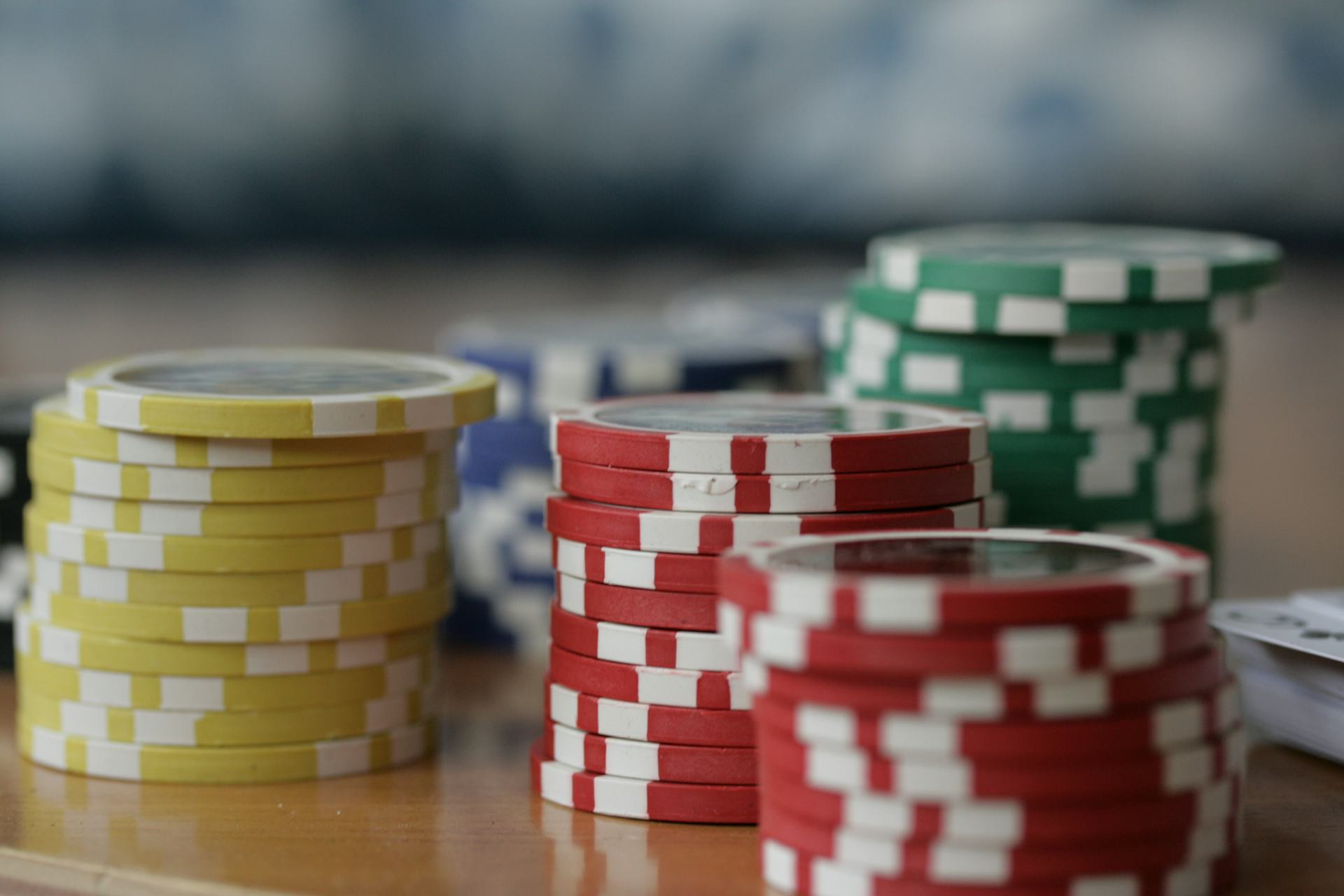
Table and Seat Changes: How the Rules Affect Your Poker Tournament Experience
When you sit down to play in a poker tournament, it’s not just about the cards you’re dealt. Table and seat changes are a natural part of tournament play — and they can have a big impact on your strategy, focus, and overall experience. For new players, these changes can come as a surprise, but for seasoned players, they’re simply part of the game’s rhythm. Here’s a look at why table changes happen, how to handle them, and what you can learn from being moved mid-tournament.
Why Table Changes Happen
In a poker tournament, players start out spread across multiple tables. As players are eliminated, some tables end up with fewer players than others. To keep things fair, the tournament director moves players from tables with more participants to those with fewer, maintaining balance across the room.
As the tournament progresses and the field shrinks, tables are gradually combined until only one remains — the final table. These movements aren’t random; they’re an essential part of the tournament’s structure, ensuring that everyone competes under similar conditions.
Læs også:



Seat Changes – More Than Just a New Chair
When you’re moved to a new table, you’re not just getting new opponents — you’re also getting a new position relative to the dealer button. That means you might go from acting last in a hand to acting first, which can completely change your approach for the next few rounds.
Seat changes can also occur at the same table if the tournament staff notices a seating error or if a player leaves unexpectedly. In these cases, the goal is to maintain fairness by ensuring that all players experience roughly the same number of hands in each position over time.
How Table Changes Affect Your Strategy
A table change can feel like starting over. You have to quickly read new opponents, assess their playing styles, and figure out who’s aggressive and who’s more cautious. It’s a test of observation and adaptability.
Here are a few tips to handle the transition smoothly:
- Take a moment to observe – Watch a few hands before jumping in. Notice betting patterns and table dynamics.
- Stay flexible – The strategy that worked at your last table might not fit here. Adjust to the new environment.
- Track stack sizes – Pay attention to chip counts, both yours and others’. Stack depth influences how you should play.
- Keep your composure – A table change can disrupt your rhythm, but staying calm helps you refocus. Treat it as a new opportunity, not a setback.
The Mental Side of Table Changes
The mental aspect of poker is just as important as the strategic one. Being moved unexpectedly can be frustrating, especially if you were in a good groove or had just figured out your opponents. But instead of seeing it as a loss, view it as a fresh start.
The best tournament players are those who can stay calm and adapt quickly. You can’t control when or where you’ll be moved, but you can control how you respond. That mindset often separates the good players from the great ones.
The Rules Behind the Moves – and Why They Matter
Tournament rules around table and seat changes are designed to ensure fairness. No one should benefit from sitting in certain positions for too long, and everyone should experience a similar number of hands in each position.
In most Canadian poker tournaments — whether at a local casino in Alberta or a major event in Montreal — the following principles apply:
- Players are moved from the table with the most players to the one with the fewest.
- The moved player is seated as close as possible to the position they would have had if they’d stayed put.
- As the tournament field shrinks, tables are merged to maintain balance.
These rules keep the tournament running smoothly and fairly, even if it means packing up your chips and moving in the middle of a hot streak.
Turning Table Changes to Your Advantage
While table changes can feel disruptive, they can also work in your favour. If you’ve been sitting with tough opponents, a new table might offer a softer lineup. Or, if you’ve been playing well, you can use your momentum and experience to quickly establish dominance at your new table.
Think of each move as a reset — a chance to re-evaluate, refocus, and rebuild your image. Every new table is a fresh canvas, and how you play those first few hands can set the tone for the rest of your session.
A Natural Part of Tournament Poker
Table and seat changes aren’t interruptions; they’re an integral part of tournament poker. They test your ability to adapt, stay focused, and think strategically under changing conditions.
The better you become at handling them, the more consistent and successful your tournament results will be. Because in poker — just like in life — it’s not only about the cards you’re dealt, but how you play them when the game changes.
Læs også: