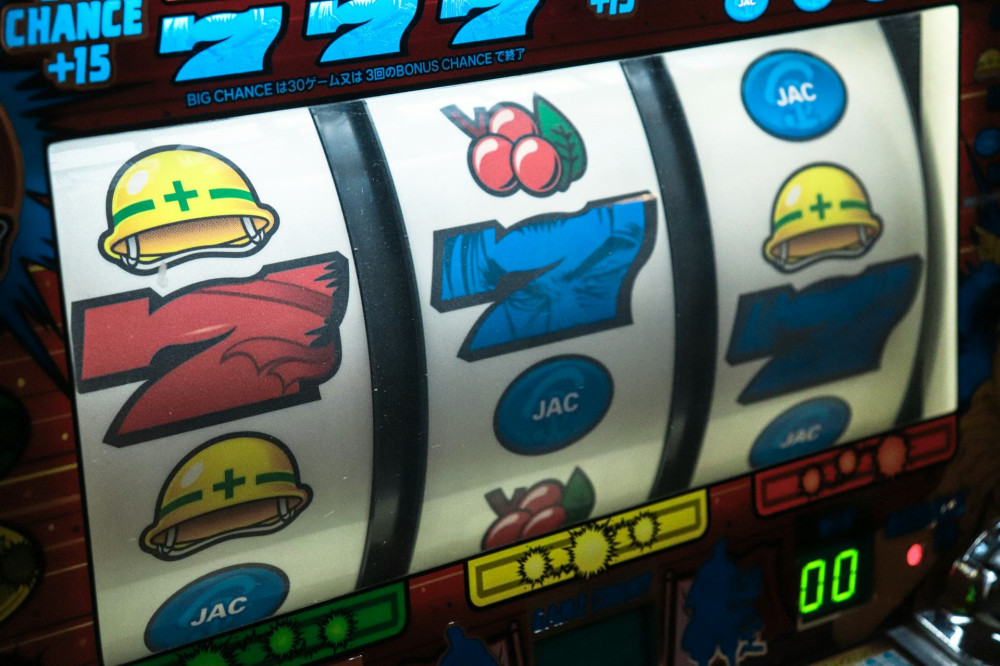
Complaints and Disputes: How Casinos Handle Player Disagreements


Complaints and Disputes: How Casinos Handle Player Disagreements
When money and gaming meet, disagreements can happen. A player might feel cheated by a technical glitch, misunderstand a bonus rule, or experience a delay in receiving winnings. In such cases, it’s essential that casinos handle complaints and disputes professionally and transparently. For both players and operators, it’s about trust — and ensuring that play takes place on fair terms.
Why Player Complaints Arise
Most complaints at online casinos stem from misunderstandings or technical issues. Some of the most common reasons include:
- Bonus terms that are not read or understood correctly — for example, wagering requirements before withdrawal.
- Technical interruptions during play, where a player loses a bet or a win isn’t recorded.
- Withdrawal delays, often due to verification or documentation checks.
- Suspicions of unfair play, such as when a player believes a game isn’t functioning as described.
While many issues can be resolved quickly, clear procedures and good communication from the casino are key.
First Step: Customer Support and Documentation
When a player encounters a problem, the first step is always to contact the casino’s customer support. Most operators offer assistance via live chat, email, or phone. It’s important for the player to describe the situation accurately and provide documentation — such as screenshots, timestamps, or transaction numbers.
A reputable casino will have established guidelines for handling complaints. This typically includes:
- Acknowledgment of receipt – the player receives confirmation that the complaint has been logged.
- Investigation of the issue – the casino reviews logs, game data, and any technical reports.
- Response within a set timeframe – often between 7 and 14 days.
A prompt and transparent process helps maintain trust, even when disagreements occur.
Læs også:



Independent Mediation and Oversight
If a player is not satisfied with the casino’s decision, the matter can often be escalated to an independent body. In Canada, licensed casinos — whether land-based or online — are regulated by provincial authorities such as the Alcohol and Gaming Commission of Ontario (AGCO), the Kahnawà:ke Gaming Commission, or other provincial gaming regulators.
Many online casinos also work with independent dispute resolution services like eCOGRA or IBAS, which act as neutral mediators. These organizations review the case based on documentation and applicable regulations, aiming for a fair outcome for both sides.
Players should always check that the casino holds a valid license from a recognized Canadian or international regulator. This ensures that there are clear channels for complaint escalation and oversight.
Transparency and Responsibility as Core Values
Casinos that want to maintain a strong reputation invest in transparency. This means:
- Writing terms and conditions in clear, accessible language.
- Ensuring game fairness through independent testing and certification.
- Making complaint procedures easy to find and understand.
For players, choosing a licensed and well-regulated casino provides both safety and recourse if something goes wrong.
How Players Can Avoid Disputes
While casinos have a duty to treat players fairly, players can also take steps to prevent misunderstandings:
- Always read bonus and promotion terms carefully.
- Keep records of your gameplay and transactions — screenshots can be helpful.
- Play only on licensed and reputable platforms.
- Contact support immediately if you notice an error or irregularity.
By staying informed and proactive, players can minimize the risk of disputes and enjoy a safer gaming experience.
A Shared Interest in Fair Play
Both players and casinos share a common goal: resolving disputes quickly and fairly. For casinos, it’s about credibility and customer loyalty; for players, it’s about security and trust.
A well-run casino views complaints not as a threat but as an opportunity to improve. When procedures are clear and communication is open, even disagreements can strengthen the relationship between player and operator.
Læs også: